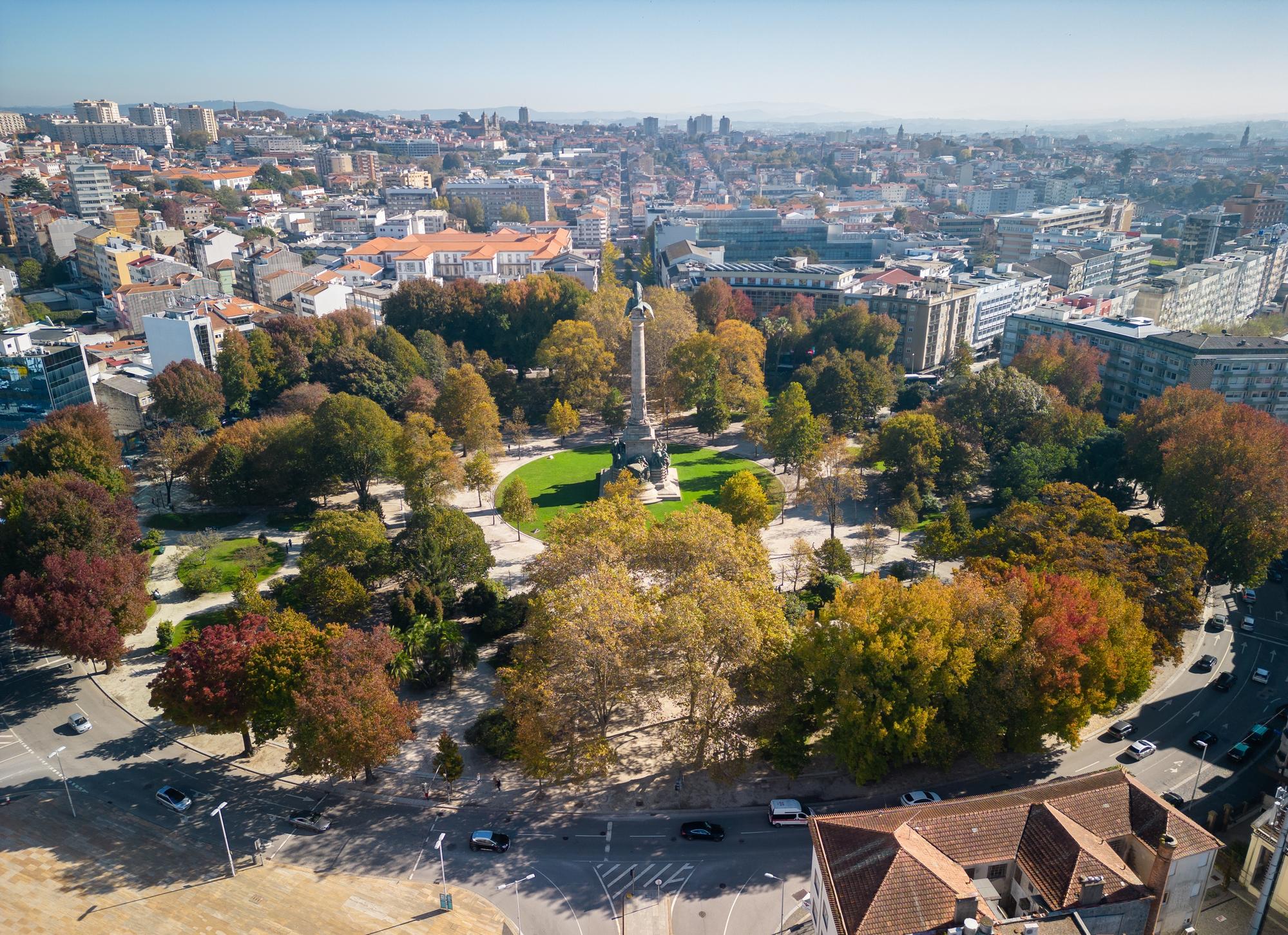
Porto is having a moment.
Every "best places for digital nomads" list includes it now. And for good reason: the weather is great, the food is incredible, and you can actually afford to live here without selling a kidney.
But here's what those lists don't tell you: moving somewhere new is hard. Even somewhere beautiful. Especially if you're doing it alone.
You can have the perfect apartment, the fastest WiFi, the best pastel de nata in the city. But if you don't have people, it doesn't matter. You'll be lonely. And lonely gets old fast.
I'm a Porto local. Born and raised. But a few years ago, I joined a coworking space and something unexpected happened: I fell in love with the expat community. These people from all over the world, brave enough to move to a new country, open to new experiences, curious about everything. They became my people.
Most of them planned to stay for a few months. Five years later, many are still here. And my life is completely different because of them. Kitchen conversations that turned into lunch. Lunch that turned into Thursday drinks. Drinks that turned into real friendships.
So yes, this guide has all the practical stuff: visas, costs, neighborhoods. But I'm also going to talk about the thing that actually matters: how to build a life here, not just exist.
Why Porto (and Not Lisbon)?
Lisbon gets all the attention. It's bigger, flashier, more "capital city."
Porto is different. Smaller. Grittier. More real.
It's also slower, in the best way. Expats tell me this all the time: Porto has a slow living vibe that Lisbon doesn't. There's no constant buzz, no pressure to always be doing something. Life moves at a pace that actually lets you enjoy it.
The cost of living is about 10-15% lower than Lisbon. There's less tourism chaos. The creative scene is thriving without being oversaturated. And there's something about the energy here: people are building things, but they're not in a rush. Work happens, but so does life.
Porto also has over 300 days of sun per year. The beach is 20 minutes away. You can walk everywhere. And the wine is €3 a glass (if you know the right places). If you want a city that feels alive without feeling exhausting, Porto is it.
Visa Options: D7 vs D8
If you're from outside the EU, you'll need a visa. Portugal has two main options for remote workers:
The D8 (Digital Nomad Visa)
This is the newer option, specifically designed for remote workers employed by companies outside Portugal.
Requirements for 2026:
- Monthly income of at least €3,680 (four times Portugal's minimum wage)
- Proof of remote work (contract with a non-Portuguese company)
- Health insurance
- Clean criminal record
- Portuguese NIF (tax number) and NISS (social security number)
Cost: Around €180 for the application, plus €320 for the residence permit.
Timeline: 30-60 days processing, though it can take longer depending on your consulate.
The deal: You can get a 1-year temporary visa or a 2-year residency permit. After 5 years of legal residence, you can apply for permanent residency or citizenship. (Note: Portugal is considering extending this to 10 years, but it's not law yet.)
The D7 (Passive Income Visa)
Originally designed for retirees, but also works for freelancers and anyone with "passive" income.
Requirements for 2026:
- Monthly income of at least €920 (Portugal's minimum wage)
- Bank statement showing at least €11,040 in savings
- Health insurance
- Portuguese bank account
- Proof of accommodation in Portugal
The catch: Your income needs to be "passive" or not actively tied to Portuguese clients. Pension, dividends, rental income, or freelance work for foreign clients all qualify.
Why some people prefer it: Lower income requirement (€920 vs €3,680). Better if you're a freelancer or have variable income.
Which One Should You Choose?
If you're employed by a foreign company and earn well: D8.
If you're a freelancer or have lower/variable income: D7.
Both visas let you live in Portugal legally, access healthcare, and eventually apply for permanent residency. Talk to an immigration lawyer for your specific situation.
Cost of Living in Porto
Let's break it down for a single person in 2026:
Rent
- 1-bedroom apartment (city center): €800-1,200/month
- 1-bedroom apartment (outside center): €600-900/month
- Shared apartment: €400-600/month
Monthly Expenses
- Groceries: €250-350
- Transport (monthly pass): €40
- Utilities: €100-130
- Internet: €35-40
- Mobile: €15-25
- Coffee/eating out: €150-300 (depending on habits)
- Health insurance: €40-100
Total Monthly Budget
- Comfortable: €1,400-1,800
- Budget-conscious: €1,000-1,400
- Living well: €2,000+
Reality check: Porto is no longer "cheap." Rents have increased significantly in the past few years. But compared to most Western European cities, it's still very affordable. And the quality of life you get for the money is genuinely excellent.
Where to Live: Porto's Best Neighborhoods
Cedofeita / Boavista (My Recommendation)
This is where creative energy meets actual livability. Cedofeita is Porto's art district: galleries, concept stores, street art, great cafes. Boavista is the main avenue that connects everything: transport links, businesses, restaurants.
Why it works for remote workers: Central but not touristy. Walking distance to everything. Great cafe culture. Growing coworking scene. The kind of neighborhood where you'll recognize faces and build routines.
Rent: €800-1,100 for a 1-bedroom
Baixa (Downtown)
The historic center. Beautiful, but also the most touristy. Great for short stays, less practical for daily life. Everything is hilly. Groceries involve stairs.
Rent: €900-1,300 for a 1-bedroom
Bonfim
The "cool" neighborhood. More alternative, lots of students and young creatives. Good nightlife. Can feel a bit rough around the edges.
Rent: €700-1,000 for a 1-bedroom
Foz do Douro
Beach neighborhood. Beautiful, quiet, upscale. Great if you prioritize ocean access and don't mind being slightly outside the center.
Rent: €1,000-1,500 for a 1-bedroom
My take: Cedofeita/Boavista hits the sweet spot. Close to everything, genuinely livable, with enough character to feel like somewhere instead of just another generic European city center.
Working in Porto: Cafes, Coworking, and Getting Stuff Done
Porto has good WiFi pretty much everywhere. You can work from cafes (the Portuguese are very tolerant of laptop workers), but eventually you'll want a proper setup.
Coworking Options
I wrote a whole article about this (Best Coworking Spaces in Porto), but the short version:
- If you need focus: Vertical (corporate, quiet, professional)
- If you want beautiful: The Social Hub (stunning space, mixed-use)
- If you're creative: Synergy in Bonfim (community-focused, creative vibe)
- If you want community + outdoor space: Vila Coworking opens Summer 2026
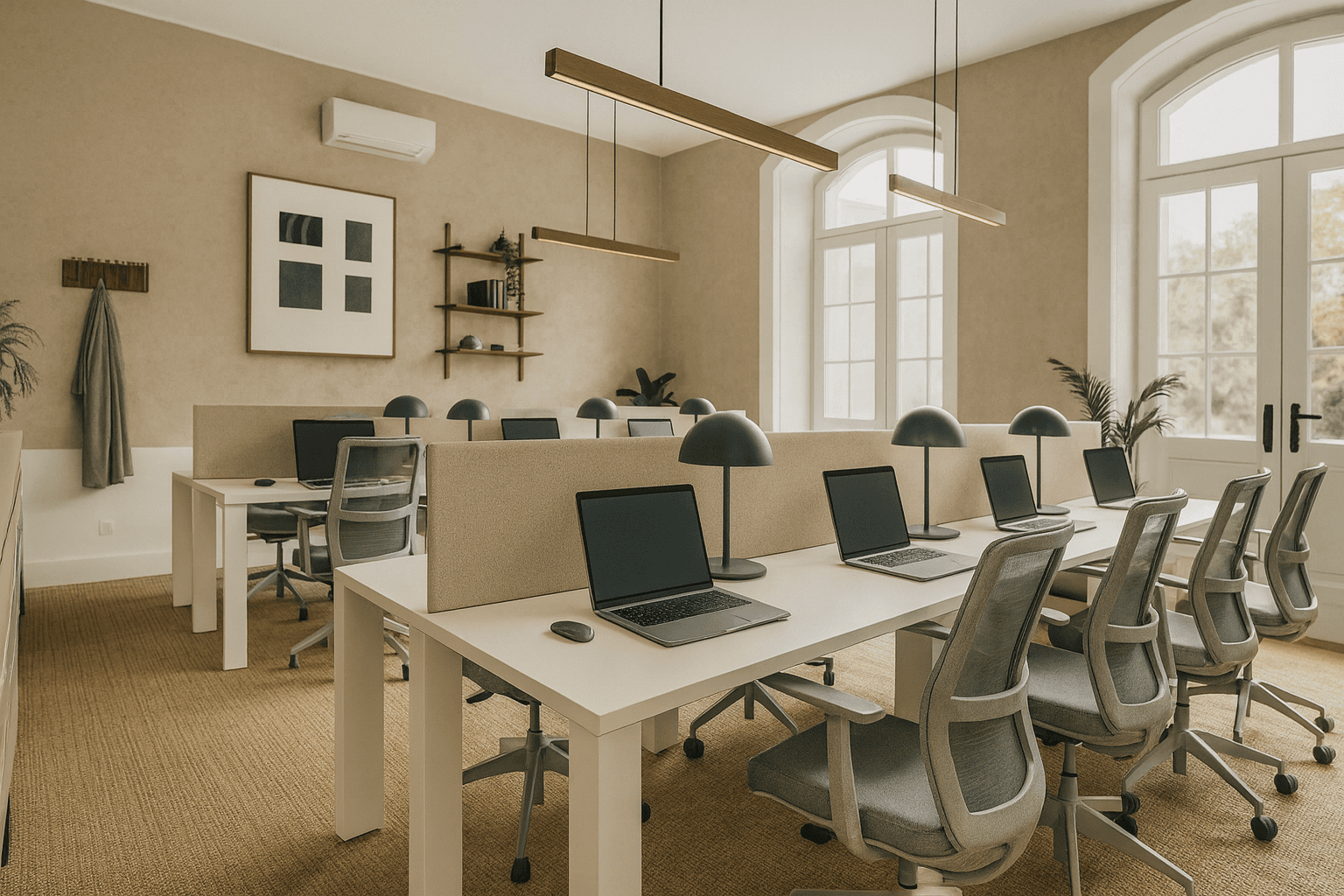
Full disclosure: I'm building Vila. So I'm biased. But I'm building it because I saw what real community can do for people who move here alone. We have a 1,000m² garden, outdoor workspaces, and we're designing the whole thing around genuine human connection. It's the space I wish existed for my expat friends when they first arrived.
Cafes for Working
Not every cute cafe is laptop-friendly. Here are ones where you can actually get work done:
- Combi Coffee Roasters (Cedofeita): Excellent specialty coffee, good wifi. Laptops allowed on weekdays only. Arrive early for a good spot.
- C'alma Coffee Room (Passos Manuel): A remote worker favorite. Most people here are working. Plenty of outlets, artisan coffee, cozy vibe.
- SO Coffee Roasters (Sá de Noronha): Minimalist design, quality coffee. Has a coworking table upstairs if you need space to spread out.
- Eatery (Cedofeita): Beautiful space, great food and specialty coffee. You can work here, though it's more of a cafe than a dedicated work spot.
- Casa da Música Café (Boavista): Often overlooked. Quiet, spacious, and right by the metro. Perfect if you're in the Boavista area.
Finding Your People: The Part Nobody Talks About
Here's the truth: you can move to the most beautiful city in the world and still be miserable. Because a city isn't a community. You have to build that yourself.
I've watched so many people move to Porto with excitement, only to feel isolated after a few months. It's not the city's fault. It's just that making friends as an adult, in a new place, is genuinely hard.
What changes everything is finding your people. A coworking space with actual community. A regular meetup you show up to every week. The cafe where the barista knows your order.
How to find your people:
- Join a coworking space with community (not just desks)
- Pick up a hobby: Pottery classes, dancing, yoga, a running club. Hobbies are one of the best ways to meet people.
- Show up consistently (community takes time)
- Say yes to things (even when you're tired)
- Be patient: Real friendships take months, not days
Communities Worth Knowing
For expats and remote workers:
- Porto Expats (Facebook): The biggest English-speaking group. 24,000+ members. Good for practical questions, events, and meeting people.
- Digital Nomads Porto (Meetup): Regular meetups at coworking spaces around the city.
- LeafCo: Focus on wellness and mental health for digital workers. Thoughtful events.
For founders and professionals:
- Porto Business Network (PBN): Network of entrepreneurs. Regular networking events.
- Female Founders / She Sapiens: Community of women founders in Porto. Bi-weekly breakfasts, supportive group.
- Scaleup Porto: Good for finding tech events and startup community happenings.
For women:
- Meet My Friends (MMF): Girls' community for fun social outings. Movie nights, coffee shop hangouts, crafts, ceramics, crochet. Low pressure, high fun.
- Expat Girls Porto: Community for expat women. Social events, support network.
For active people:
- Can Run Connection / Founders Run: Social running groups. Great way to meet people while staying fit.
- React Studio: Cycling and yoga classes near Boavista. Community vibe.
Pick Up a Hobby
Seriously. One of the fastest ways to make friends is to do something together that isn't "networking."
- Pottery and ceramics: Several studios in Porto offer classes
- Dancing: Salsa, bachata, or swing classes are social by nature
- Fitness classes: CrossFit boxes, yoga studios, cycling classes
- Language exchange: Practice Portuguese while meeting locals and other expats
- Running clubs: Show up, run together, grab coffee after
The expat community in Porto is welcoming but not desperate. People are genuinely interested in meeting others, but you have to put yourself out there. Join things. Show up. Be the person who suggests lunch.
Practical Stuff: Healthcare, Banking, Phone
Healthcare
Portugal has excellent public healthcare, and you'll have access through your visa. But wait times can be long. Most expats get private health insurance (€40-100/month) for faster access to specialists.
Banking
You'll need a Portuguese bank account for your visa. ActivoBank and Moey are the most expat-friendly (online account opening, English support). Bring your NIF, passport, and proof of address.
Phone
MEO, NOS, and Vodafone are the main carriers. Prepaid SIMs are cheap (€15-20/month for plenty of data). You can get one at any phone shop or supermarket.
NIF (Tax Number)
You need this for everything: renting an apartment, opening a bank account, signing up for utilities. You can get one at the local Finanças office or through a fiscal representative if you're not in Portugal yet.
Is Porto Right for You?
Porto is great if you:
- Want European quality of life at a reasonable cost
- Value community and genuine connection
- Like walkable cities with good weather
- Appreciate food, wine, and cafe culture
- Prefer slow living over constant hustle
- Are patient enough to build a life, not just visit
Porto might not be for you if you:
- Need a huge international airport with direct flights everywhere
- Want the startup intensity of Lisbon or Berlin
- Need constant novelty and entertainment
Final Thoughts
Moving to a new country is a leap. It's exciting and scary and lonely and wonderful, sometimes all in the same day.
Porto is a beautiful place to land. The city will charm you quickly. But what keeps people here isn't the views or the cheap wine. It's the community they build.
Find your people. Show up consistently. Give it time.
That's how a city becomes home.
If you're thinking about moving to Porto and want to be part of a community from day one, join our waitlist. Vila Coworking opens Summer 2026, and we're building exactly the kind of space where strangers become friends.